Wisdom Teeth Removal for First-Time Oral Surgery Patients
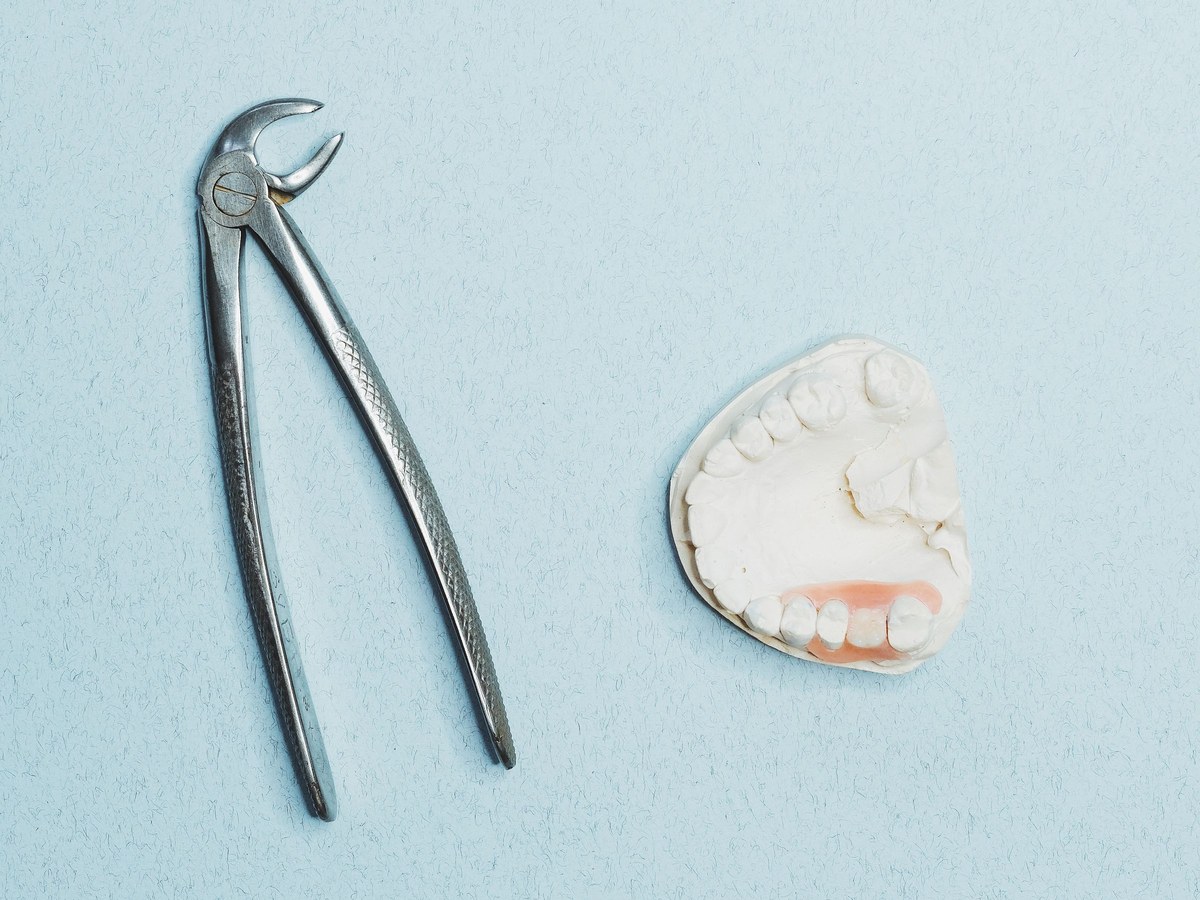
For many people, wisdom teeth removal is the first surgery they ever have. That fact shapes the entire experience. The physical part matters, of course, but so does the uncertainty around it: the unfamiliar terminology, the consent forms, the numbness, the ride home, the first night when every odd sensation feels bigger than it probably is.
Most wisdom tooth procedures go smoothly. Oral surgeons and general dentists who perform extractions do them often, and for healthy patients the operation is usually routine. Still, routine does not mean trivial. Wisdom teeth sit in a part of the mouth where bone is dense, visibility is limited, and nerves, sinuses, and neighboring molars all matter. A straightforward extraction can feel easy from the clinician’s side and still feel like a major event to the patient in the chair.
That gap is worth closing. When patients know what to expect, they generally do better. They arrive calmer, they prepare their recovery space, they understand why swelling peaks when it does, and they are less likely to panic over normal bruising or a sore jaw. They are also more likely to notice the difference between a normal postoperative ache and something that deserves a call.
Why wisdom teeth cause trouble in the first place
Wisdom teeth are the third molars, the last teeth to develop and often the last to erupt. They typically show up in the late teens or early twenties, though the timing varies. Some come in fully and function well enough. Others remain trapped under the gums or bone, press into the tooth in front of them, or emerge only partially, creating a pocket that catches food and bacteria.
That is why wisdom teeth removal is not always about pain in the moment. Many extractions are recommended because of predictable future problems. A partially erupted lower wisdom tooth may not hurt much, yet it can repeatedly inflame the gum tissue behind the second molar. A tooth angled forward can contribute to decay on the back surface of the second molar, which is a frustrating place to restore. Impacted upper wisdom teeth can drift toward the sinus floor. Even when none of those issues is urgent, they can become harder to manage with age as roots fully form and bone becomes less forgiving.
Patients often ask whether every wisdom tooth needs to come out. No. The answer depends on position, access for cleaning, evidence of disease, the patient’s age, medical history, and the judgment of the treating doctor. I have seen twenty-somethings with four deeply impacted teeth that clearly needed removal, and forty-somethings with quiet, symptom-free wisdom teeth that had been stable for years. The recommendation should be specific to the x-rays and the mouth in front of the clinician, not a one-size-fits-all rule.
What the consultation is really for
A good consultation does more than set a surgery date. It is where the surgeon evaluates anatomy, risk, and practicality. X-rays show whether the teeth are fully erupted, partially impacted, or buried in bone. On lower teeth, the relationship to the inferior alveolar nerve is especially important. On upper teeth, the sinus matters. The surgeon also looks at mouth opening, gum health, the condition of adjacent teeth, and whether there is active infection.
For first-time oral surgery patients, this visit is also the best time to ask practical questions that tend to matter more than people expect. Will the procedure likely be simple or surgical? Will all four teeth come out in one visit? What form of anesthesia or sedation makes sense? How many days of downtime are realistic for school, work, sports, or childcare? Is there anything about your health history that changes the plan?
The answers are not identical from office to office. Some patients have four erupted wisdom teeth that can be removed under local anesthesia with little drama. Others have deeply impacted lower third molars and significant anxiety, making IV sedation the better fit. Neither approach is inherently superior. The right choice depends on the teeth, the patient, and the provider’s setup.
Understanding anesthesia without the mystery
This is where anxiety often spikes. Patients hear “oral surgery” and imagine being fully unconscious in a hospital setting. Wisdom teeth removal usually happens in an office, and sedation exists on a spectrum.
Local anesthesia numbs the area and is the foundation of pain control. Even when sedation is used, local anesthesia is still what blocks pain during the extraction. Nitrous oxide can reduce anxiety for some patients. Oral sedatives may help take the edge off, though their effect can be variable. IV sedation is common for wisdom teeth removal because it offers a deeper level of relaxation and little memory of the procedure, while still allowing the patient to breathe independently. In some settings, deeper anesthesia may be offered when appropriate.
A point that reassures patients: pressure is normal, pain is not. During the procedure, especially with a surgical extraction, people may feel pushing, vibration, water, and movement. That does not mean the numbing failed. If a patient feels sharp pain, the team should be told immediately so more local anesthetic can be given.
Patients with dental anxiety sometimes feel embarrassed by how nervous they are. They should not. Fear of surgery is ordinary. The most useful thing is to say it plainly. Experienced teams can often reduce stress with better pacing, clearer explanation, and a sedation plan matched to the patient rather than imposed on them.
The day before and the morning of surgery
Preparation changes the recovery more than many people realize. The procedure itself may take less than an hour, but a poorly planned evening afterward can make that hour feel much larger.
Before surgery, most patients benefit from setting up a simple recovery area at home. That means extra pillows to keep the head elevated, ice packs or cold compresses, soft foods that do not require chewing, prescribed medications picked up in advance if possible, and a clear plan for transportation if sedation will be used. I have seen otherwise organized adults forget the ride home piece, and it creates avoidable stress at the worst time.
If the surgeon gives fasting instructions, follow them carefully. They are not casual suggestions. Eating or drinking too close to sedation can create genuine risk. Medication instructions matter too. Some routine medications should still be taken with a sip of water, while others may need adjustment. That call should come from the treating office or the patient’s physician when needed.
For the patient who wants one simple framework, these preparations cover most of what matters:
- Confirm fasting and medication instructions the day before, not an hour before.
- Arrange a responsible adult to drive you home and stay nearby if sedation is planned.
- Stock soft foods such as yogurt, applesauce, soups, smoothies, eggs, or mashed potatoes.
- Prepare ice packs, gauze, a water bottle, and a place to rest with your head elevated.
- Wear comfortable clothes and skip contact lenses, heavy makeup, and valuables.
That kind of planning lowers anxiety because it turns a vague event into a manageable sequence.
What happens during wisdom teeth removal
The details depend on the tooth. An erupted wisdom tooth can sometimes be loosened and removed much like any other extraction. An impacted tooth is different. The surgeon may need to make a small incision in the gum, remove a limited amount of bone, and section the tooth into pieces so it can come out with less stress on the jaw.
That sounds dramatic when written out, but it is standard technique. In fact, sectioning a tooth often makes the extraction gentler, not harsher. The goal is controlled removal, with the least trauma necessary to protect the surrounding structures.
After the tooth is out, the area is cleaned, and stitches may be placed. Many of the sutures used are dissolvable. The team then places gauze to help a clot form. That clot matters. It is the body’s natural protective covering over the healing socket, and preserving it is central to an easier recovery.
Most patients remember either very little or enough to know the procedure went faster than expected. Time perception under sedation is often strange in a helpful way. What felt huge beforehand can feel oddly brief in retrospect.
The first 72 hours, where recovery is won or lost
Patients tend to expect pain immediately after the procedure, but numbness often lasts for hours. Once the local anesthetic wears off, soreness and tightness move in. Swelling usually increases through the first two to three days, then gradually improves. That pattern surprises people. They think the worst should be over by the next morning, when in reality postoperative swelling often peaks later.
The first day is about bleeding control, pain control, hydration, and rest. Oozing is common. Bright red, active bleeding that fills the mouth is less common and worth a call, but pink saliva and mild spotting on gauze are expected early on. Ice oxdentistry.com Wisdom Teeth Removal helps during the first 24 hours more than heat does. Cold reduces swelling and gives some comfort to the jaw muscles.
Food should be soft and practical, not performative. A protein smoothie eaten with a spoon, scrambled eggs, oatmeal that is not too hot, soup cooled to warm, cottage cheese, or well-mashed potatoes all work. Tiny rice grains, seeds, and brittle chips are poor choices early because they can irritate the sockets. Straws are also a bad idea in the early phase because the suction may disrupt the clot.
The medication plan varies. Some surgeons rely heavily on ibuprofen and acetaminophen in staggered doses, which can work very well for many patients. Others may prescribe an additional pain medication when the extraction is expected to be more difficult. What matters most is using medications as directed and staying ahead of pain rather than waiting for it to become intense. Once discomfort has escalated, it is harder to bring back down.
Sleep can be awkward the first night. Patients often feel tired but restless. A slightly upright position helps. So does setting alarms only if medications truly need overnight timing. Otherwise, fragmented sleep can make the next day feel worse.
What normal healing looks like, and what does not
The internet has made postoperative anxiety louder. Patients see one alarming photo, compare it to their mouth in a bathroom mirror, and assume something is wrong. The problem is that healing tissue often looks messy before it looks better. White or yellowish material in the socket can be normal fibrin, not infection. Mild bruising along the jaw or even down into the neck can happen, especially after lower extractions. Limited mouth opening is common because the jaw muscles have been stressed.
The challenge is knowing which symptoms are routine and which deserve attention. These are the signs I tell patients to take seriously:
- Bleeding that stays heavy despite firm gauze pressure for the time your office recommended.
- Pain that sharply worsens around day three or four instead of slowly improving.
- Fever, increasing swelling after the third day, or foul-tasting drainage.
- Numbness that does not gradually improve after the local anesthetic should have worn off.
- Trouble swallowing, trouble breathing, or swelling that feels rapidly progressive.
Dry socket deserves a brief explanation because it is the complication patients hear about most often. It is not an infection. It is a painful loss or breakdown of the blood clot, exposing the underlying bone and nerves. Patients usually describe a deep, throbbing pain that starts a few days after surgery and can radiate toward the ear. Not everyone who has severe soreness has dry socket, but pain that gets worse rather than better in that timeframe should be assessed. The treatment is usually straightforward, and patients often feel much better once the socket is managed.
Questions patients are often too shy to ask
One common question is whether they will say something embarrassing under sedation. The reality is less dramatic than people imagine. Sedated patients may be groggy or chatty, but the office staff has heard it all before. It is not memorable to them.
Another question is when normal brushing can resume. Usually, oral hygiene should continue, just gently and strategically. The rest of the mouth still needs cleaning. Avoiding the surgical area entirely for too long can leave the patient with bad breath, plaque buildup, and more inflammation. Surgeons often recommend a gentle rinse after the first day and careful brushing everywhere else right away. The specific timing should follow the office instructions, but total avoidance of hygiene is rarely helpful.
Patients also ask how long their face will stay swollen. There is no universal answer. For simple erupted teeth, swelling may be modest. For deeply impacted lowers, a visible puffiness for several days is common. By one week, many patients look significantly better, though the jaw can still feel stiff and the sockets may still be healing beneath the surface.
Then there is the work and school question. Desk work and online classes may be possible within a day or two for some people. Public-facing work, heavy physical labor, athletics, and anything requiring sharp concentration after sedation may need more time. It is better to build in a little margin than to promise a next-day return and regret it.
Age, difficulty, and why timing matters
People often hear that wisdom teeth are easier to remove when you are younger. There is truth in that, though it should not be exaggerated. In late adolescence and early adulthood, roots may be less fully formed, the bone can be somewhat more forgiving, and healing is often quicker. By the thirties and forties, extractions can still be done safely, but surgery may be more technically demanding and recovery less breezy.
That does not mean every teenager should automatically have asymptomatic wisdom teeth removed. It does mean that if the position of the teeth strongly suggests future trouble, delaying for years may not create any advantage. This is a discussion about probabilities, not certainties. A careful surgeon explains the trade-off rather than using age as a scare tactic.
There are edge cases worth mentioning. Patients with clotting disorders, diabetes, immune compromise, a history of difficult anesthesia, or certain medications such as bisphosphonates require more individualized planning. Smokers and nicotine users often have a rougher healing course, particularly with dry socket risk. Patients who grind their teeth may notice more muscular soreness afterward. None of these issues automatically prevents wisdom teeth removal, but they do change the conversation.
Recovery habits that quietly make a big difference
The patients who do best are rarely the toughest. They are the ones who respect the first few days. They hydrate even when they are not hungry. They use medications sensibly. They do not test their jaw by chewing a sandwich too early because they are “feeling pretty good.” They avoid smoking and vaping. They keep follow-up appointments if the office wants to check healing or remove non-dissolving sutures.
A small but important point is that boredom leads people into bad decisions. By the second or third day, many feel well enough to roam the kitchen or resume normal routines but not quite well enough to judge wisely. That is the exact stage where someone reaches for a straw, crunchy snacks, alcohol, vigorous exercise, or a cigarette because the worst seems over. It often is not. Healing rewards patience in an annoyingly old-fashioned way.
Hydration deserves more credit than it gets. A dry mouth feels more painful, tastes worse, and can make patients think something is wrong when they are simply not drinking enough. Sipping water regularly, while avoiding strong swishing or spitting in the earliest phase if the surgeon advises against it, makes recovery more comfortable.
Choosing your surgeon and trusting the process
For first-time oral surgery patients, confidence in the treating office changes everything. Skill matters, but so does communication. A strong practice gives clear written instructions, answers questions without irritation, screens medical history carefully, and has a predictable system for after-hours concerns. Patients may not know how to evaluate surgical technique, but they can absolutely notice whether the office is organized, transparent, and responsive.
If something about a recommendation feels vague, ask for clarification. Why remove these teeth now? What is the anticipated difficulty? What form of anesthesia is being recommended, and why? What are the main risks in your particular case? A good clinician can answer those questions in plain language without sounding defensive.
Wisdom teeth removal is one of those procedures that can loom very large before it happens and then shrink in memory afterward. That is especially true when the patient is prepared, the plan fits the anatomy, and expectations are realistic. There may be swelling, a few awkward meals, some interrupted sleep, and several days where your jaw feels like it did a long shift at the gym. For most healthy people, though, that is the arc: a short, controlled procedure followed by a recovery that improves in steady, if imperfect, steps.
If this is your first oral surgery, the best mindset is not bravado. It is informed calm. Know the reason for the extraction, understand the recovery, ask practical questions, and give yourself permission to take the healing period seriously. That approach does not remove every discomfort, but it does make the experience far more manageable, which is usually what first-time patients need most.
Oxnard Dentistry
1730 E Gonzales Rd, Oxnard, CA 93036, United States
+1 805-307-8731
FAQ About Wisdom Teeth Removal
How painful is it to remove a wisdom tooth?
Local anesthetic numbs the area during extraction. Pressure may still be noticeable; tell the dentist if you feel pain. Soreness and swelling afterward are common. Follow the pain-control instructions provided for your situation.
How long is recovery for wisdom teeth extractions?
Recovery varies with the tooth position and complexity of the extraction. Some people resume routine activities quickly, while others need several days of rest. Soreness, swelling and jaw stiffness can last up to two weeks. Follow your clinician's aftercare and activity advice.
What are the risks of wisdom tooth removal?
Possible complications include dry socket, infection, persistent bleeding and changes in sensation from nearby nerve injury. Your dentist or oral surgeon should explain your individual risks before treatment. Seek prompt dental advice for bleeding that will not stop, fever, or severe or worsening pain and swelling.