Veneers Oxnard CA: A Simple Way to Upgrade Your Smile
A smile can shape first impressions faster than almost anything else. Patients know that before they sit in the chair. They may say they want whiter teeth, or straighter teeth, or to fix one chip that catches the light in every photo. What they usually mean is simpler: they want to stop thinking about their teeth every time they talk, laugh, or meet someone new.
That is where veneers can make a real difference. For many adults, veneers offer a direct path to a cleaner, more balanced smile without the time commitment of orthodontics or the unpredictability of whitening alone. When people search for Veneers Oxnard CA, they are often looking for that kind of practical improvement, something that looks polished but still believable, something that feels like their smile on a very good day.
Veneers are not magic, and they are not right for everyone. They do, however, solve a set of cosmetic problems extremely well when the planning is careful and the expectations are realistic. Understanding what veneers can do, what they cannot do, and how the process works helps patients make a smart decision rather than an emotional one.
Why veneers appeal to so many adults
Cosmetic dentistry has changed in a noticeable way over the last decade. Patients used to ask for a Hollywood smile, bright, uniform, impossible to miss. Now most people want the opposite. They want teeth that look healthy, proportionate, and natural in normal light. They want compliments that sound like, “You look great,” not “Where did you get your teeth done?”
Veneers fit that shift well because they can correct several issues at once. A single treatment plan may improve color, shape, minor spacing, small chips, uneven edges, and mild crowding. For the right patient, that is efficient. Instead of whitening teeth that still have worn edges, or smoothing one tooth that still looks too short next to the others, veneers can address the whole visual picture.
That broad correction is often why veneers feel so transformative. The improvement is not just about whiteness. It is about harmony. The front teeth relate better to each other. The smile line looks smoother. The proportions make more sense with the lips and face. Even subtle changes can have an outsized effect because the eye notices symmetry immediately.
In a place like Oxnard, where people spend a lot of time outdoors and social settings tend to be casual and face to face, a natural-looking smile matters. Bright sunlight is unforgiving. Overly opaque or overly uniform dental work stands out. Good veneers should not scream for attention. They should simply make the smile look rested, balanced, and healthy.
What veneers actually are
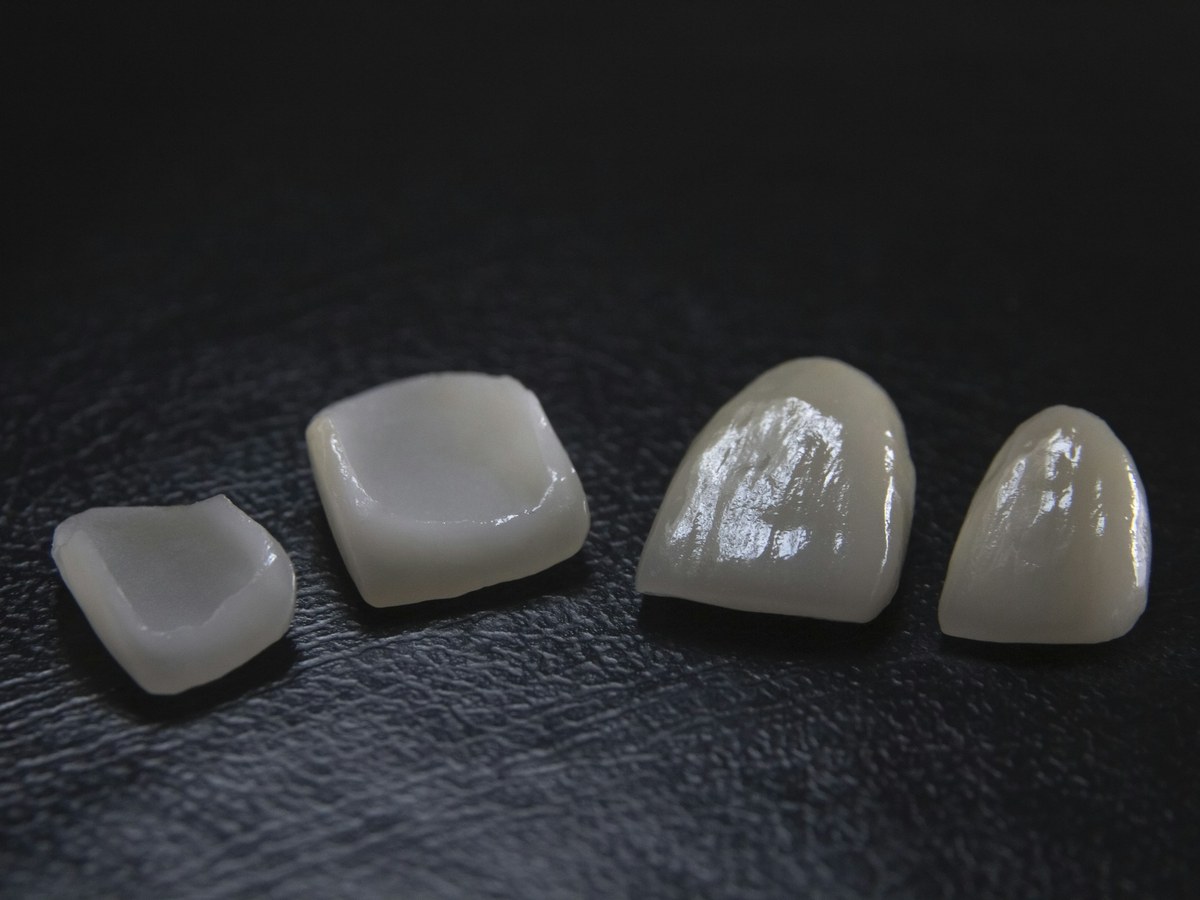
A veneer is a thin shell, usually made of porcelain, that bonds to the front surface of a tooth. Think of it as a carefully designed facing for a visible part of the smile. It changes how the tooth looks from the front and slightly from the edge, while preserving much of Veneers Oxnard CA the underlying tooth structure.
Porcelain remains the standard for many cosmetic cases because it reflects light in a way that resembles enamel more closely than most direct bonding materials. It also resists staining better than composite resin. That said, material choice depends on the situation. Some cases do well with direct bonding, particularly when the goal is a small repair rather than a full smile redesign. The best option is not always the most expensive one. It is the one that solves the actual problem with the least unnecessary intervention.
Patients often assume veneers are only for badly damaged teeth. In practice, many veneer cases involve teeth that are healthy but visually disappointing. Maybe the enamel is deeply stained and does not respond evenly to whitening. Maybe the front teeth have worn over time and now look flat or uneven. Maybe there are small gaps that make the smile feel unfinished. Veneers can be ideal in those scenarios because the issue is appearance rather than structural failure.
The smile concerns veneers handle well
Veneers are especially effective when the main concerns are visible in the mirror and in photos. They can correct discoloration that sits too deep in the tooth to bleach away predictably. They can make short teeth appear fuller and longer. They can soften irregular contours, hide minor twists, and close modest spaces without moving teeth orthodontically.
What they do less well is solve problems rooted in function, decay, or unstable bite mechanics. If someone grinds heavily, has untreated gum disease, or has significant crowding that affects how the teeth fit together, veneers alone may not be the best first move. Cosmetic work lasts longer when the foundation is healthy.
This is one of the most important judgment calls in dentistry. A patient may arrive convinced that veneers are the answer because the before and after photos online are compelling. A responsible evaluation looks deeper. If the teeth are chipping because the bite is too forceful in the front, simply placing porcelain over that pattern may create a prettier version of the same problem. Good treatment planning asks why the teeth look the way they do, not just how to hide it.
What the process usually looks like
The veneer process is more deliberate than many patients expect, and that is a good thing. Strong cosmetic results come from planning, not speed.
A typical sequence includes:
- A consultation with photos, an exam, and a discussion of goals, habits, and budget.
- Smile planning, which may involve digital previews, models, or a mock-up to test shape and length.
- Tooth preparation, when needed, followed by impressions or digital scans and temporary restorations.
- Final placement, bite adjustment, and polishing once the veneers return from the lab.
- Follow-up to check comfort, function, and home care after the patient has lived with the new smile for a short time.
That may sound straightforward, but the nuance sits inside each step. At the consultation, the conversation should go beyond “I want bigger teeth” or “I want them whiter.” A dentist needs to know what specifically bothers the patient. Is it the central incisors looking too square? The canines being too prominent? A dark tooth that draws the eye? Those details change the plan.
The preview stage matters more than many people realize. Some of the best cosmetic cases are built from trial smiles or mock-ups that let the patient see and feel changes before the porcelain is finalized. A millimeter can alter the personality of a smile. Too much length and the result may look artificial or feel awkward when speaking. Too little and the patient may spend good money for a result that still looks underwhelming. Trying shapes in advance reduces surprises.
Preparation also varies. Not every veneer requires aggressive reduction. In fact, more conservative dentistry has pushed the field toward minimal preparation whenever anatomy allows. But “no-prep” should never be treated as a marketing slogan. On the wrong teeth, skipping preparation can make veneers look bulky because the material has nowhere to go. Conservative is good. Thoughtless is not.
Natural-looking veneers depend on design, not just whiteness
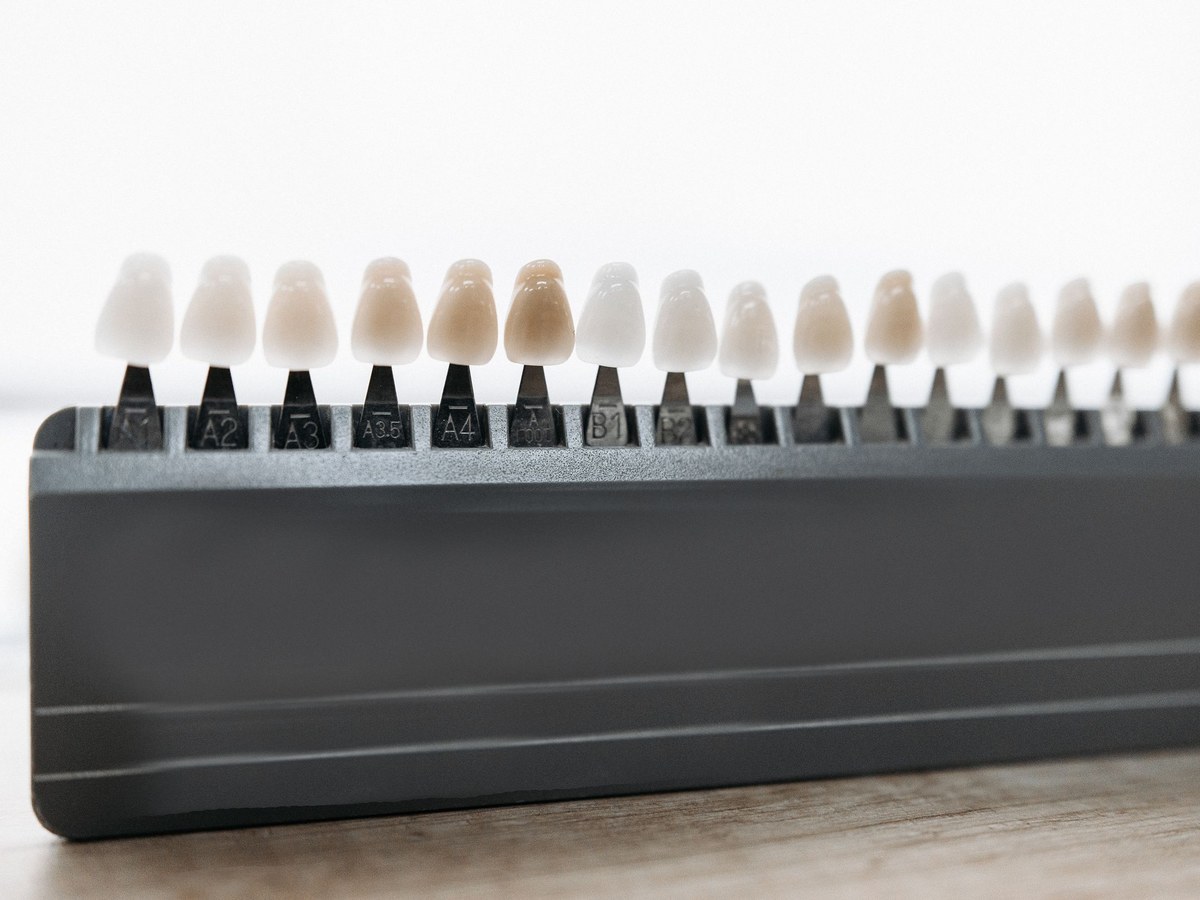
When patients imagine a better smile, they often focus first on shade. Shade matters, but it is only one part of what makes veneers look convincing. Shape, translucency, surface texture, edge design, and the way the teeth relate to the lips all influence the final effect.
A common mistake is choosing a color that is too bright for the patient’s complexion, age, or overall features. The result may look obvious even if the craftsmanship is excellent. Natural teeth are not flat blocks of white. They have subtle variation. They reflect and absorb light differently near the edge and near the gumline. Well-made veneers account for that.
Proportion matters just as much. Front teeth that are too uniform can make a smile look manufactured. Slight differences between the central incisors, laterals, and canines create realism. The length of the front teeth should also suit how much tooth shows at rest and during speech. Younger smiles tend to show a bit more tooth. As people age, wear and soft tissue changes can reduce that display. Veneers can restore a more youthful look, but the goal is balance, not exaggeration.
Surface texture is one of those details patients may not have words for, yet they notice it instinctively. Teeth that are overly smooth and glossy can appear fake in direct light. A skilled ceramist and careful finishing can introduce the kind of micro-texture that helps veneers blend with natural enamel.
The trade-offs patients should understand
Veneers are often described as simple, and from a patient perspective they can be relatively efficient. Still, they involve meaningful decisions. Once enamel is removed for traditional veneers, that change is not reversible. The teeth will continue to need some form of coverage moving forward. That is not necessarily a problem, but it is a commitment.
There is also the question of scope. Some patients really need only two veneers to repair visible front teeth. Others are better served by treating six, eight, or even ten teeth in the smile zone so the color and shape transition looks intentional. The right number depends on lip position, tooth display, neighboring tooth color, and budget. Doing too few can make the veneers stand out. Doing too many can become more invasive and more expensive than necessary.
Maintenance matters as well. Veneers are durable, but they are not invincible. Patients who open packages with their teeth, chew ice, or clench at night create higher risk. A night guard can be a wise investment for grinders, especially after a significant cosmetic case. It is a small habit that protects a much larger one.
Then there is the emotional trade-off. Cosmetic dentistry changes how people see themselves. Most patients love that. Occasionally, someone chases an ideal that no dental procedure can fully deliver because the issue is tied to perfectionism rather than the teeth alone. A thoughtful dentist recognizes when expectations are drifting into dangerous territory and slows Oxnard Dentistry Veneers Oxnard CA the process down.
Veneers versus whitening, bonding, and orthodontics
Veneers sit in a middle ground between small cosmetic touch-ups and larger structural treatment. That is why comparisons matter.
Whitening is the least invasive option for generalized stain, and it can produce excellent results when the teeth are healthy and naturally shaped. But whitening does not repair chips, close spaces, or correct asymmetry. If a patient wants a cleaner smile and the basic tooth shapes are already attractive, whitening may be enough. If the issue is design as much as color, veneers may be more appropriate.
Bonding is often underrated. For small chips, isolated gaps, and minor contour changes, direct composite bonding can be an elegant solution. It is usually more conservative and often less expensive than porcelain. The downside is that it can stain, wear, and chip more easily over time, especially in high-stress areas. Some patients start with bonding as a conservative first step and later move to veneers if they want more stability and refinement.
Orthodontics solves a different category of problem by moving teeth rather than covering them. If spacing, crowding, or bite discrepancies are the core issue, aligners or braces may be the healthier long-term path. In some cases, orthodontics before veneers leads to a better and less invasive final result because the teeth are positioned more favorably. That sort of combination treatment requires patience, but it often preserves more natural tooth structure.
Cost, value, and what patients are really paying for
The cost of veneers varies widely by region, materials, laboratory quality, and case complexity. A patient is not just paying for porcelain. They are paying for diagnosis, artistic planning, preparation, provisional work, bonding technique, and laboratory collaboration. In cosmetic dentistry, the design phase often separates decent work from excellent work.
That is why price shopping can be misleading. Two veneer cases may both involve eight front teeth and still differ significantly in planning, customization, and difficulty. A patient with even tooth positions and healthy gums presents a different challenge than someone with uneven wear, old bonding, and subtle bite problems. The fee should reflect that complexity.
Value also depends on whether the treatment solves the right problem. A cheaper cosmetic solution that leaves the patient self-conscious six months later is not a bargain. On the other hand, a very expensive smile makeover that exceeds the patient’s actual needs is not wise either. The sweet spot is tailored treatment, enough dentistry to achieve the goal, not more.
For people researching Veneers Oxnard CA, the better question is not “What do veneers cost?” but “What am I getting for that fee, and why is this the right treatment for my smile?” A clear explanation from the dentist is a good sign. Cosmetic treatment should feel customized, not packaged.
How to choose the right dentist for veneers in Oxnard
Cosmetic dentistry rewards careful selection. Veneers are visible every day, in every conversation, under every kind of light. A dentist can be technically competent and still not match a patient’s aesthetic preferences. That is why the consultation matters so much.
Look for these signs during your search:
- Before and after cases that resemble your own starting point, not just dramatic makeover photos.
- A willingness to discuss alternatives, including whitening, bonding, or orthodontics when appropriate.
- Clear conversation about bite, gum health, and long-term maintenance, not just shade and shape.
- Use of previews or mock-ups when the case calls for them.
- Results that look like real teeth, not identical bright rectangles.
Anecdotally, one of the easiest ways to spot quality is to notice restraint. Dentists who do excellent veneer work are usually comfortable saying no to unnecessary treatment and comfortable recommending fewer units when that will create a more believable result. They are not trying to sell a smile template. They are trying to solve a specific cosmetic problem in a way that fits the face.
Living with veneers day to day
Once veneers are placed and polished, most patients adapt quickly. Speech may feel slightly different for a short period if the length or contours change, particularly around sounds like “s” and “f.” That usually settles as the tongue adjusts. Mild sensitivity can happen after preparation, though it often improves after final bonding.
Daily care is not complicated. Veneers still sit in a living mouth, surrounded by gums and neighboring natural teeth. Plaque does not care whether a surface is porcelain or enamel. Brushing, flossing, routine cleanings, and sensible eating habits remain the foundation. Good home care protects the margins where veneer meets tooth, and that interface is crucial.
Longevity varies, which is the honest answer. Some veneers look excellent well past ten years. Others need attention sooner because of bite forces, gum changes, accidents, or shifting expectations. Dentistry lives in the real world, where people clench during stressful seasons, skip night guards, drink coffee, and age normally. The goal is not perfection forever. The goal is durable, attractive dentistry supported by good habits and thoughtful follow-up.
When veneers may not be the best first step
Not every attractive smile is built with porcelain. If the gums are inflamed, if decay is active, or if the bite is unstable, cosmetic treatment should wait. Health first is not a slogan. It is what gives cosmetic work a chance to last.
There are also patients who want veneers when what they truly need is confidence in a more conservative plan. Someone with mild yellowing and one small chip may be thrilled with whitening and bonding. Someone with significant alignment concerns might benefit more from clear aligners before any cosmetic refinements. The best treatment sometimes feels less exciting at first because it does not promise instant transformation. It simply respects the biology.
A good consultation helps sort that out. It should leave the patient feeling informed rather than pressured. Veneers can absolutely be a simple way to upgrade your smile, but simple should never mean rushed.
A smarter way to think about smile improvement
People often approach cosmetic dentistry with a single question: “Should I get veneers?” A more useful question is, “What is the most conservative way to get the smile improvement I actually want?” Sometimes the answer is veneers. Sometimes it is not. That distinction matters.
When veneers are chosen well, they can be one of the most satisfying procedures in dentistry. They allow a patient to fix longstanding concerns in a focused, efficient way. They can soften signs of wear, hide stubborn discoloration, and create a smile that looks brighter and more proportional without appearing artificial. The right case feels less like a makeover and more like restoration, the smile the patient might have had if time, staining, grinding, or genetics had been a little kinder.
For patients exploring Veneers Oxnard CA, the strongest results come from a combination of honest evaluation, conservative planning, and attention to the details that make teeth look human. Not just white, not just straight, but alive, balanced, and believable. That is the real upgrade.
Oxnard Dentistry
1730 E Gonzales Rd, Oxnard, CA 93036, United States
+1 805-307-8731
FAQ About Veneers Oxnard CA
How long do porcelain veneers last?
Porcelain veneers can last for many years, but they can chip, loosen, or wear over time. Their lifespan depends on factors such as your bite, whether you grind your teeth, and daily care. Regular dental visits let your dentist check their condition.
Are dental veneers permanent?
Traditional veneers often require removing a small amount of enamel, so that change to the tooth is generally irreversible. Veneers can still need repair or replacement. Ask your dentist how much preparation your teeth would require.
How much do veneers cost in Oxnard?
Cost depends on the material, how many teeth you want treated, and whether you need other dental work first. Ask for a written estimate that explains the price per tooth and what is included.